Africa's mobility story over the next decade won't look like Europe's or Asia's. It will be shaped by the continent's own constraints and its own advantages, and that's worth understanding realistically, without overselling where the technology actually stands today.
A continent that has leapfrogged before
Africa's relationship with technology has often followed a "leapfrog" pattern, skipping infrastructure stages that other regions built sequentially. Mobile banking is the clearest example: rather than building out extensive branch banking networks first, much of the continent moved straight to mobile money. Mobility technology is following a similar path in places, with GPS-enabled fleet tools and mobile-based logistics platforms gaining traction even in markets where formal transportation infrastructure is still developing.
Companies operating freight corridors across West and East Africa, for instance, have increasingly turned to GPS-enabled fleet management and real-time data to improve truck utilisation and reliability along routes that have historically been difficult to monitor.1 This is a practical, incremental kind of progress, not a dramatic leap to fully autonomous systems, but a steady improvement in visibility and coordination.
What "smart mobility" realistically means for Africa right now
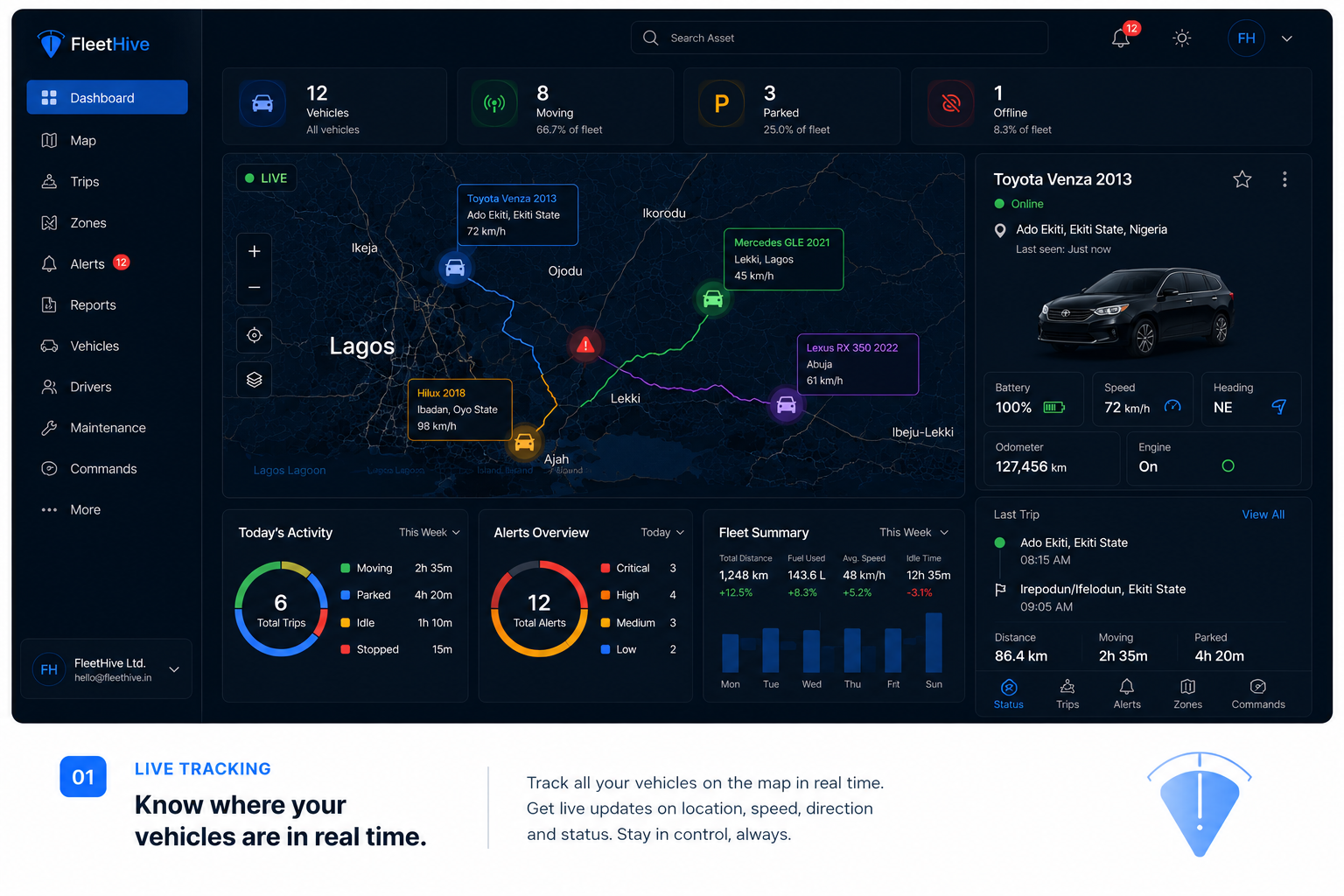
- Connected vehicles, not self-driving cars, but vehicles equipped with GPS and telematics that feed data back to fleet owners and, increasingly, to city and logistics planners.
- Digital transportation platforms, ride-hailing, delivery and logistics platforms that coordinate vehicles and drivers through mobile apps rather than manual dispatch.
- Fleet intelligence, moving beyond simple location tracking toward systems that flag issues, predict maintenance needs and help operators make faster decisions.
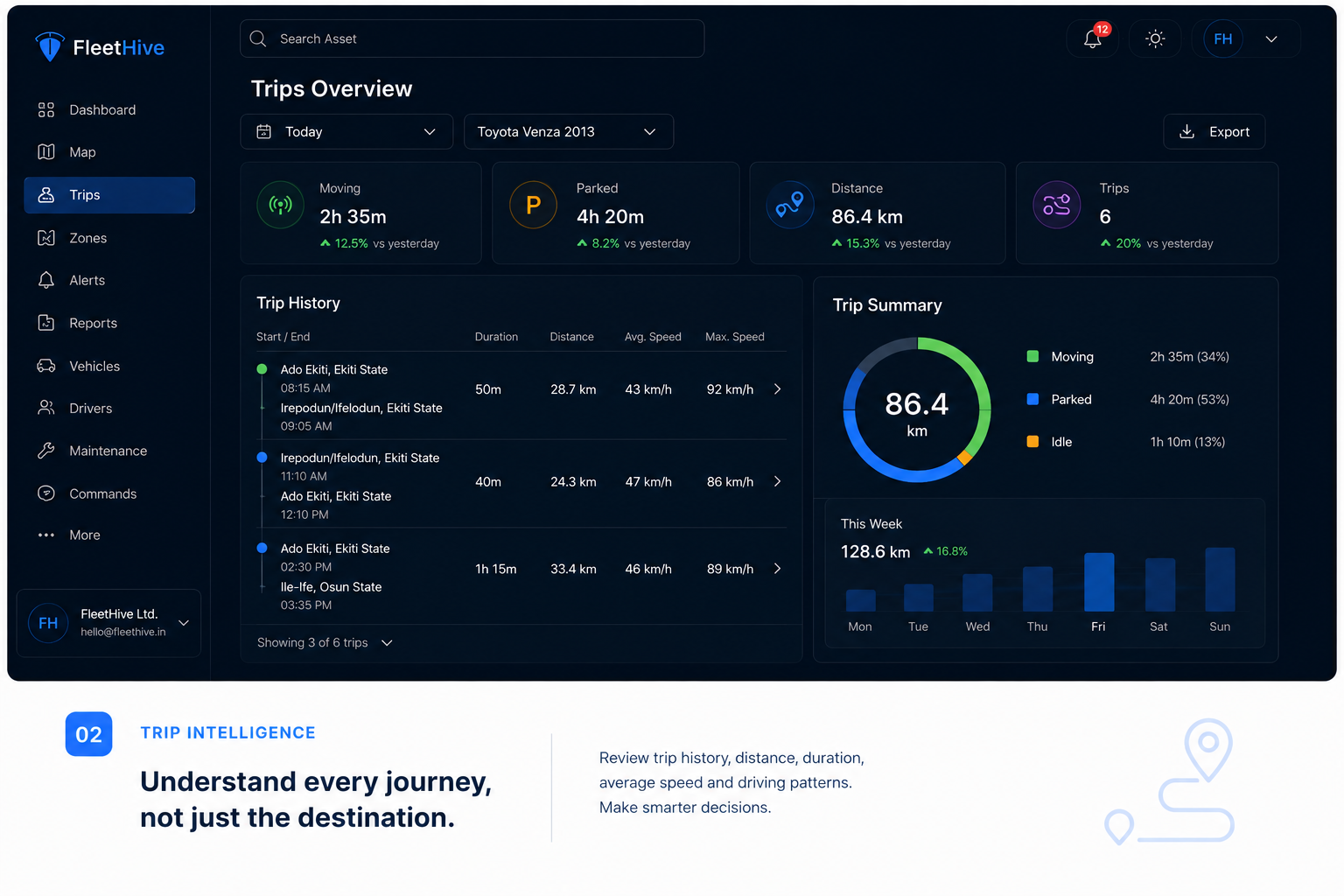
- Data-driven logistics, freight and delivery operators using trip and route data to plan more efficient operations across difficult road networks.
The challenges that will shape the pace of change
It's important not to overstate how quickly this transformation will happen. Africa's road safety record remains a serious concern, the continent accounts for a disproportionate share of global road deaths despite having a small fraction of the world's vehicles, according to the World Bank and the World Health Organization.2,3 Road infrastructure varies enormously between and within countries, connectivity is inconsistent in rural areas, and the cost of hardware and data remains a real barrier for many small operators.
These aren't reasons to be pessimistic about the direction of travel, but they are reasons to expect gradual, practical adoption rather than sudden, sweeping change. The businesses making the most of smart mobility today tend to be the ones solving specific, immediate problems: knowing where their vehicles are, protecting their drivers, and keeping customers informed, rather than chasing more speculative technology that isn't yet practical in most African markets.
Where this is heading
The most likely near-term future is one where fleet intelligence platforms become as standard for African businesses as accounting software or point-of-sale systems already are, practical, affordable tools that plug directly into daily operations. FleetHive is built with that trajectory in mind: solving today's visibility and safety problems while building toward a more connected mobility ecosystem across the continent.
Sources / References
- Market Data Forecast — Africa Freight Logistics Market
- World Bank — Over 1.25 Million People Are Killed on the Road Each Year
- United Nations Economic Commission for Africa — Road Safety